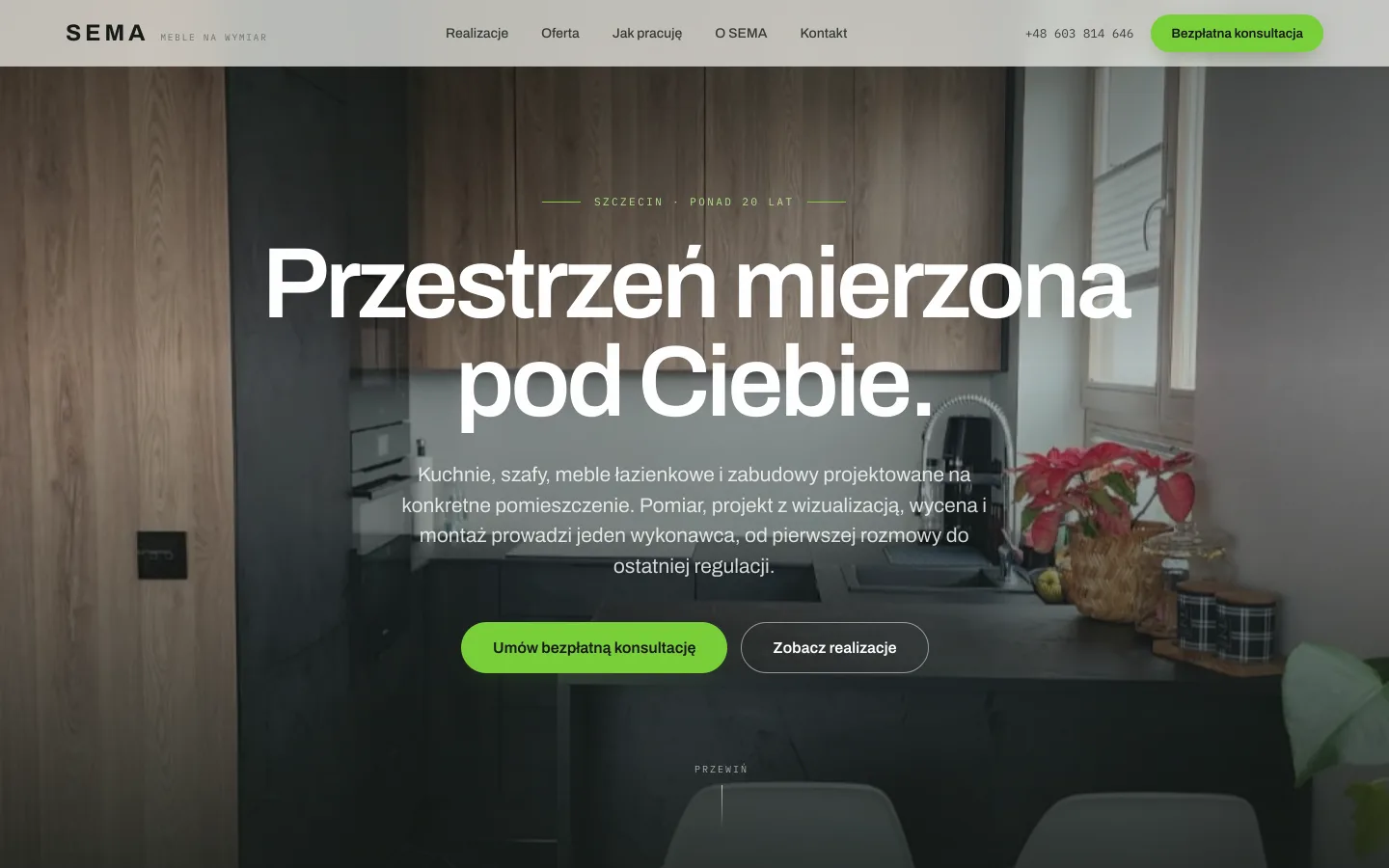
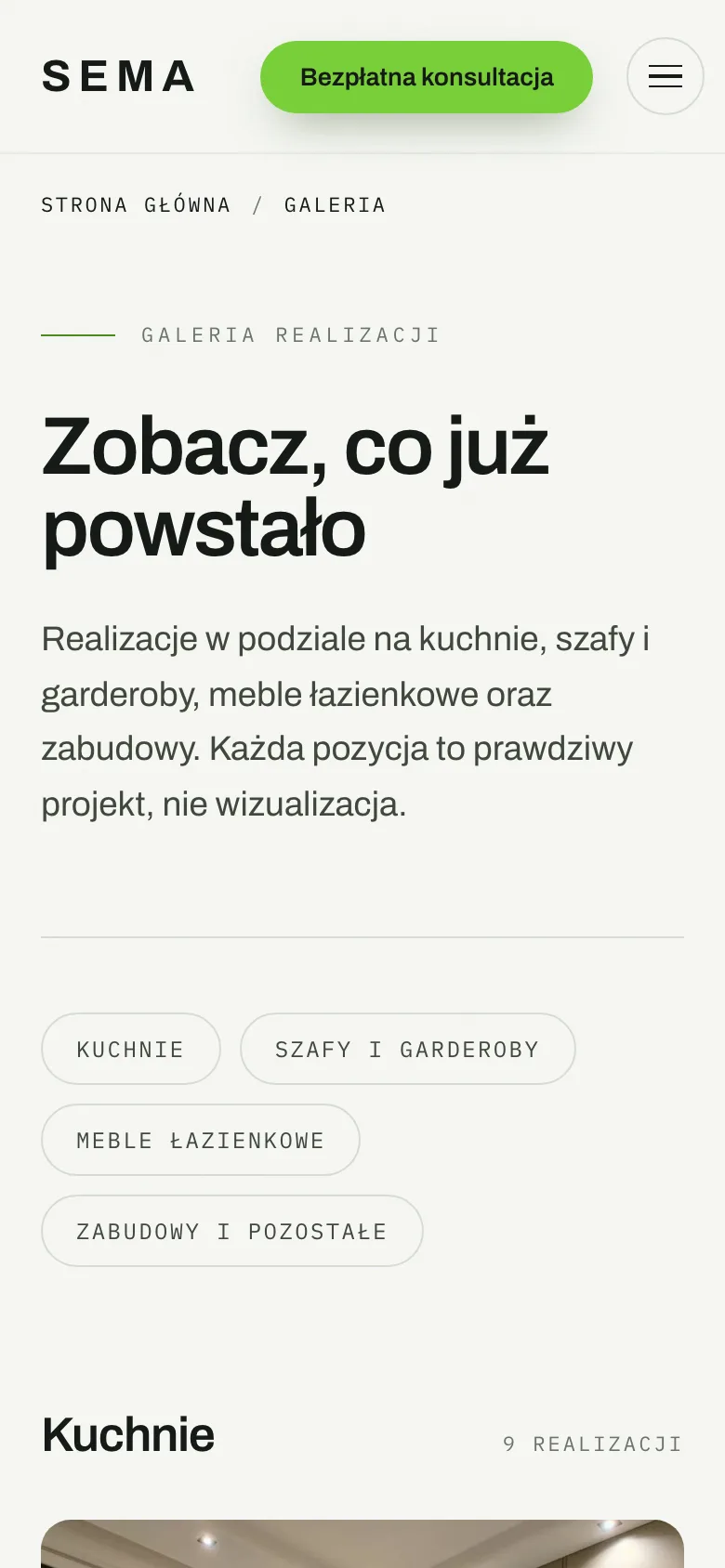
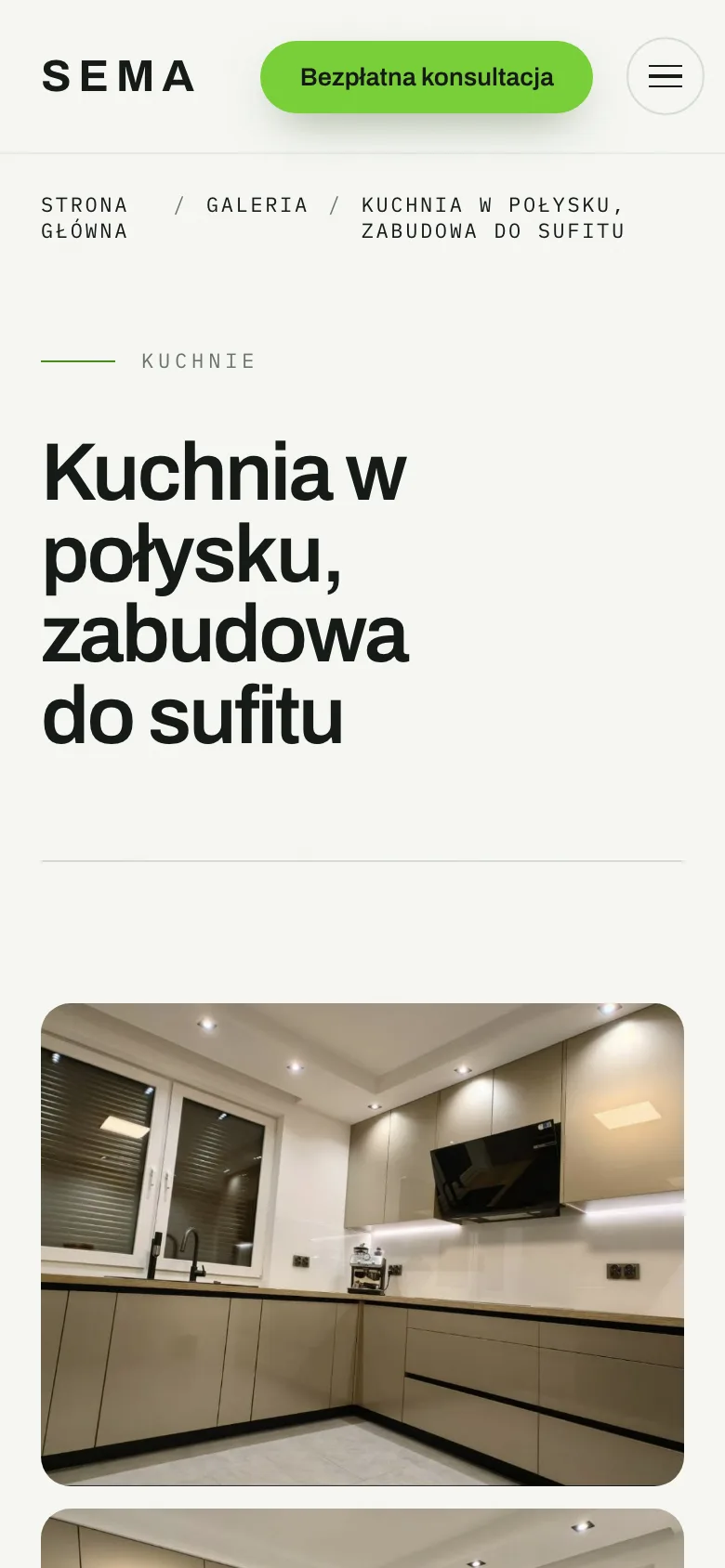
Sebastian measures a room, then builds furniture that fits it and nothing else. Twenty years of that, in Szczecin, mostly kitchens and wardrobes and the awkward corners other people skip.
I have been looking after his website through several rebuilds. Not patches. Rebuilds, every few years, each one bringing the site up to what the business had grown into and what the web could do by then.
Trust follows the person, not the letterhead
Across those years the work was done under more than one banner. Sometimes privately, later under a company name, now under this one. The letterhead on the invoice changed. The person doing the measuring, the writing and the building did not, and that is the only reason the arrangement kept going.
It is worth saying plainly, because it is what a small business is actually buying. Not a supplier with a nice website of its own. Someone who already knows how the business works, remembers why a decision was taken three years ago, and can be called without a briefing.
A joiner who has to explain his trade from scratch to a new agency every few years is paying for that explanation every single time.
What I was given, and what I was not
Two things arrived from the client at the start, and they have never really changed: a logo, and a list of what he does.
Everything else on that site, in every generation of it, I wrote. The headlines, the descriptions of each type of built-in, the explanation of how a project runs from first measurement to installation, the page that says what happens if something does not fit. A joiner should spend his day at the bench, not hunting for a way to describe a wardrobe in a sentence.
That only works because I know the trade. Twenty years of building, joinery and renovation on my own side of things means I can write about a carcass, a worktop join or a site measurement without asking the client to explain it first, and without producing the kind of copy that makes a tradesman wince.
What this rebuild refreshed
Every few years the same question comes back: what does the business need the site to do now, and what can be done better today than last time. This round answered it like this.
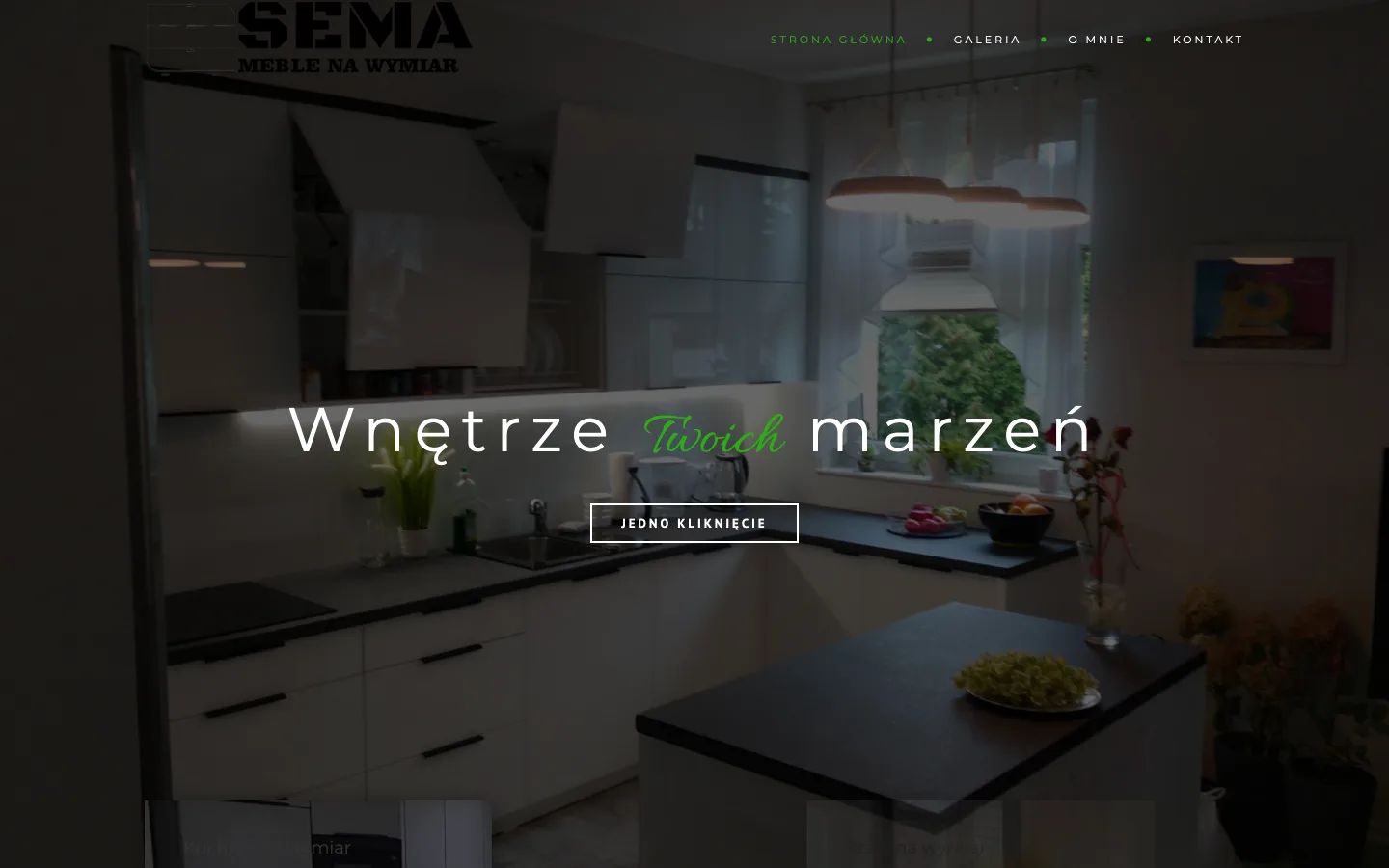
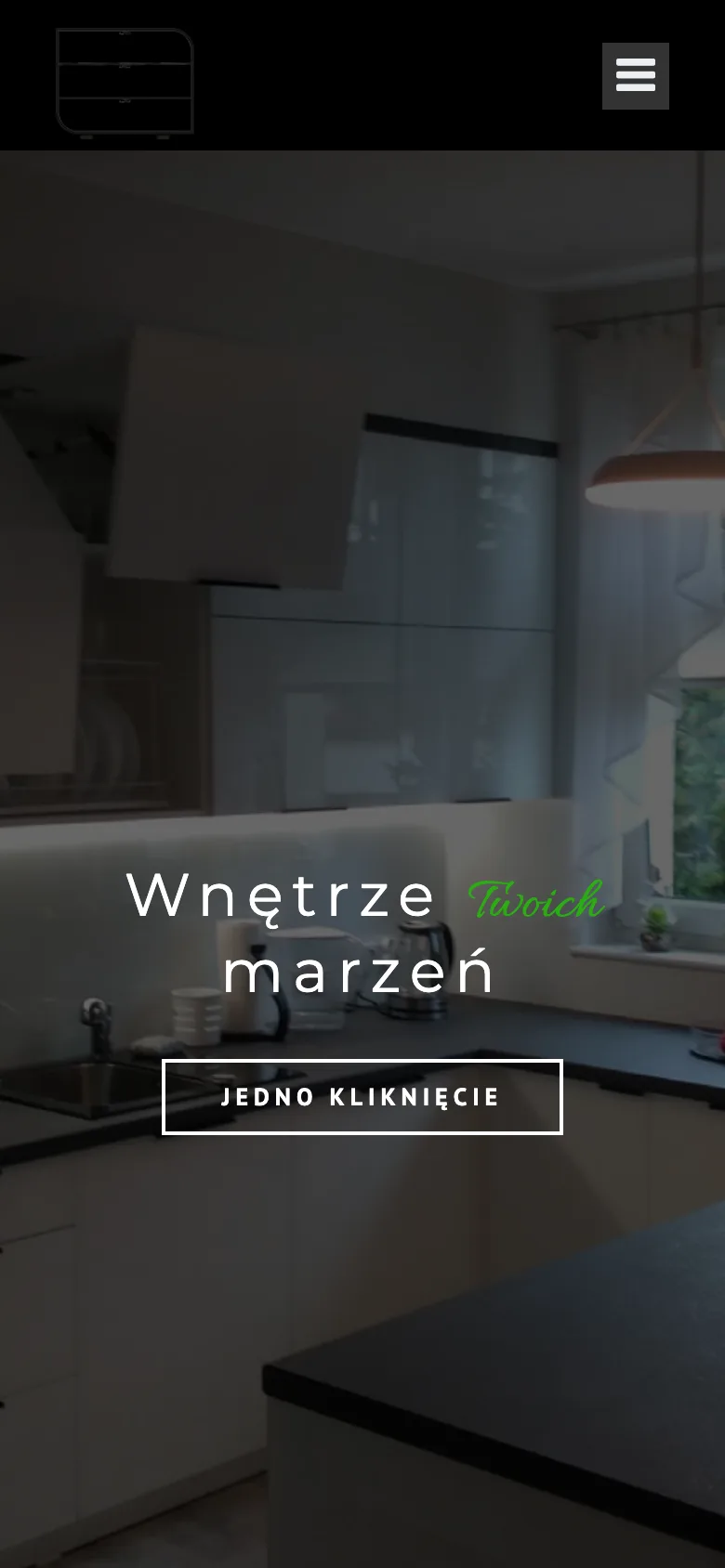
One piece of housekeeping is still outstanding: the rebuilt site is finished and waiting to be moved onto the studio's own address. Until that move happens, what you find at the old address is the previous generation.
The panel
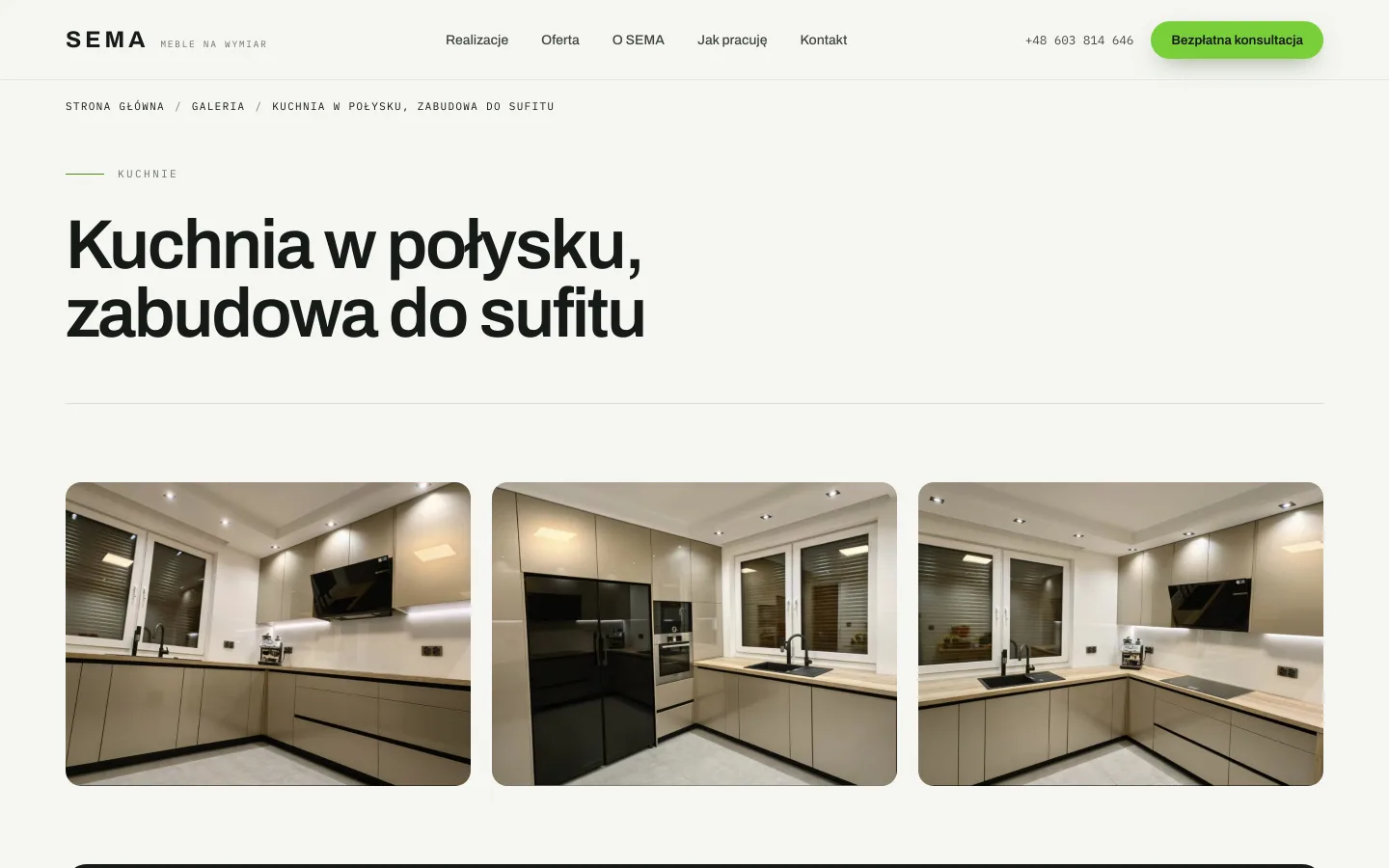
Behind the site sits an admin built for this workshop rather than configured out of something general: page content section by section, the project gallery with its own photo editor, the eleven image slots that appear across the site, reviews, enquiries with statuses so nothing gets answered twice, the SEO screen, integrations, settings.
Saving rebuilds the affected pages. The workshop gets a site that loads like a static one and edits like a dynamic one, which is the right trade for a business with nineteen projects to show and no interest in becoming a publisher.
The part that is not a website
Over the years the conversation covered more than pages. Which system to issue invoices from. Where the business email should live. What to do about the other online services a small workshop accumulates without noticing.
My rule there is narrow and I have never broken it: I recommend a provider only if I use their services myself, or have used them long enough to know how they behave when something goes wrong. Not what the marketing page claims, not what a comparison article says. What the support process actually does at four in the afternoon on a Friday, and which limits only show up once a business depends on them.
If I have not run it myself, a client does not get put on it. That leaves fewer options on the table, and it means nobody has ever had to discover a provider's real behaviour on their own, at the worst possible moment.
In preparation
Reviews pulled automatically from the workshop's Facebook page into the panel for approval, so the section on the homepage fills itself instead of waiting for someone to retype what a customer already wrote.
Why this one is worth reading
If you run a workshop, a studio or a practice, the useful part here is not the technology. It is the shape of the arrangement.
You supply the thing only you can supply, which is what you actually do and how. Someone else turns that into words, pages and the machinery underneath, and stays close enough to the business to rebuild it when it outgrows itself. Over a decade that costs less than three agencies learning your trade from scratch, and it works better than a website bought once, admired for a year and quietly left to rot.